EP TRIM
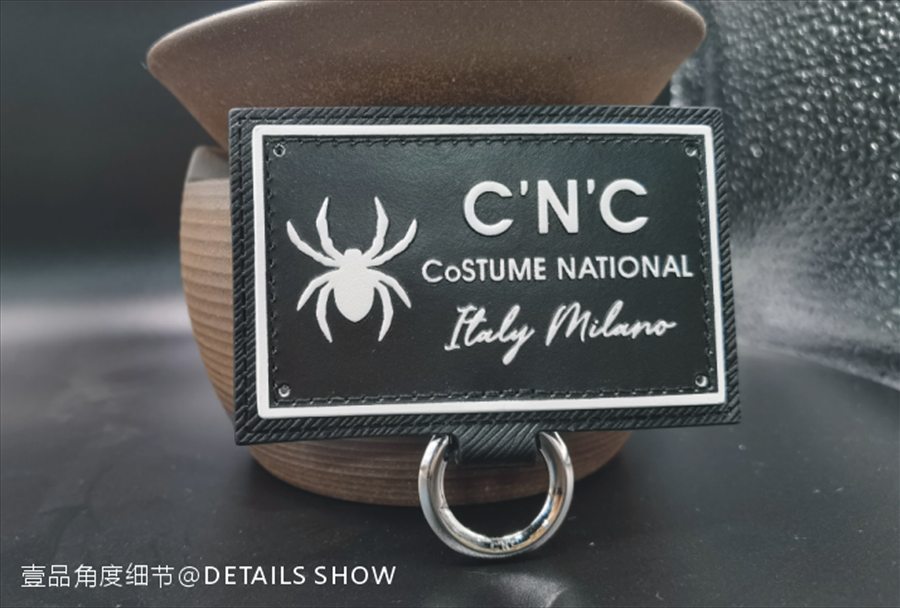
CNC cowhide patch with metal clasp
- Product No.
- R001857-1
- Classification
- Cowhide with metal hardware
Start from your artwork or an approved sample, and end up with the patch your brand actually wants.
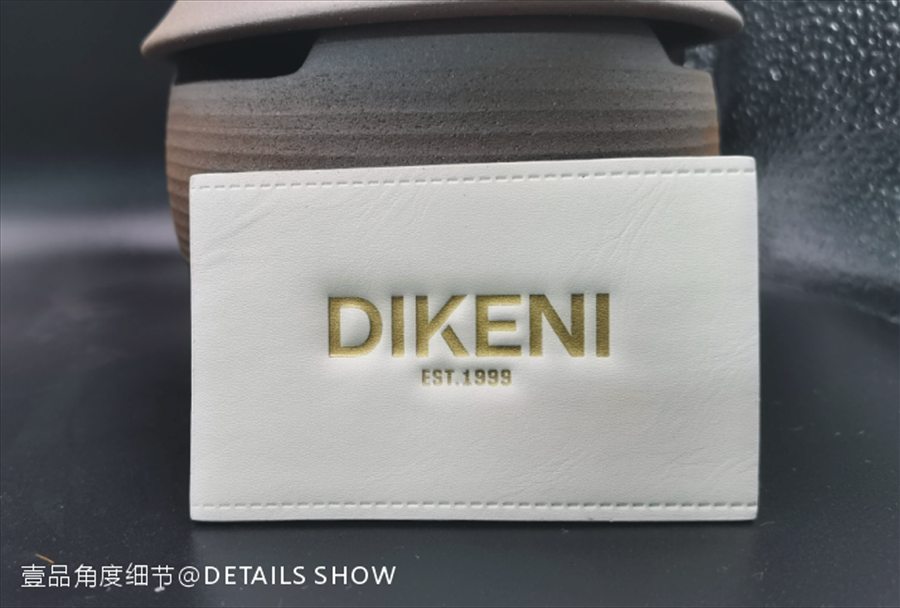
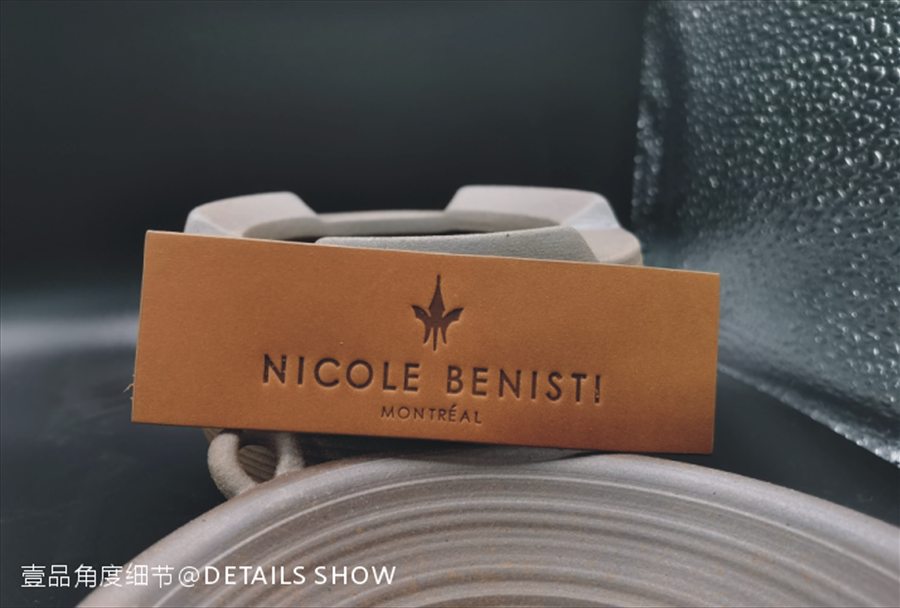
A custom leather patch (also called a leather logo patch or leather label) is a leather badge tooled to a client's own artwork, used on waistbands, pockets, plackets, bags and headwear. Unlike stock patches, its size, shape, leather, lettering and backing are all set by the brand, and minimum order quantity is agreed per design. EP TRIM (Huizhou Yipin Apparel & Leather Goods) has produced them for premium apparel brands since 2018, with six in-house processes: die cutting, laser, hot press, injection, screen printing and sewing.
A stock patch is a compromise on size and colour, and a leather patch usually sits exactly where a garment is most looked at — the centre back waist or above a pocket. Two millimetres of difference, or lettering that is a shade too shallow, is visible in the hand. Tooling to artwork fixes the size, the relief depth and the edge treatment, so repeat orders run to the same standard.
One: confirm artwork, leather and construction, then settle the flat layout and embossed relief. Two: cut the CNC precision mould. Three: press, foil or appliqué, with temperature, pressure and dwell time controlled in three stages. Four: hand-trim, paint the edge and inspect every piece. All four happen under our own roof, so problems at a hand-over get corrected on the spot.
Full-grain cowhide for parts that face long abrasion or washing; split leather or PU where cost matters more than surface; iridescent stock when the finish is the design; horsehair appliqué when you want a nap. Before sampling we set out the differences between layers and batches, and keep an approved swatch card so production does not drift from the sample.
It is agreed per design and depends on size, leather and whether a new mould is needed. A new mould carries a higher minimum; repeat orders on an existing mould can run at lower quantities. Send your artwork and expected volume and we will quote both the quantity and the sampling lead time.
Yes. A physical sample is ideal because the mould can be cut directly from it; from a photo we first draw the flat layout and the relief for you to approve, then cut the mould — which avoids tooling something that turns out wrong.
It can, but a trial must come first. Wash temperature, time and chemistry decide whether the patch shrinks, discolours or lifts at the edge. Tell us your washing conditions and we will supply trial pieces to test alongside the garment; we cannot accept liability where production ran without a trial.
White and bright shades show colour difference most, so we compare piece by piece. Bright patches should also not be paired with pale fabric because of colour transfer — we can run a transfer test first if you want one.
Yes — heat-seal adhesive for press application, pressure-sensitive adhesive for no-sew attachment, or no backing at all for sewing. Which suits depends on your garment process and how much heat the fabric tolerates. See the iron-on and adhesive page for detail.
We make leather patches and labels, pull tabs, hardware-and-leather patches, embroidered badges, heat-pressed and high-frequency labels, plus the metal and moulded parts that go with them. Woven labels and tapes are outside our lines — where you need them as part of a set, we will say plainly at sampling stage what we can and cannot cover.
EP TRIM
DIKENI
Materials
In trade naming, full-grain cowhide is always called “cowhide leather”, and split cowhide is always called “split cowhide leather”. Both may be described as genuine leather, but their structure and durability are not the same.
Selection
Even within full-grain cowhide, grain evenness, thickness tolerance and temper vary widely. Material selection sets the ceiling on what a finished patch can be.
Use & washing
Any patch going onto a garment that will be heavily washed must be trial-run first, and bright-coloured patches must not be paired with pale fabric because of colour bleed.
Send us your layout or a physical sample. We will come back with a proposed process and sampling lead time before we talk volumes.