EP TRIM
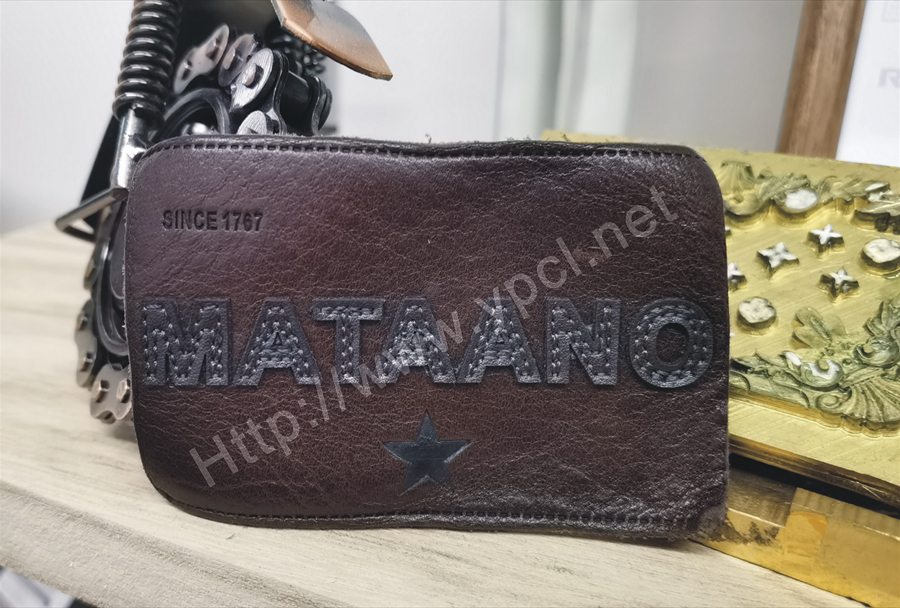
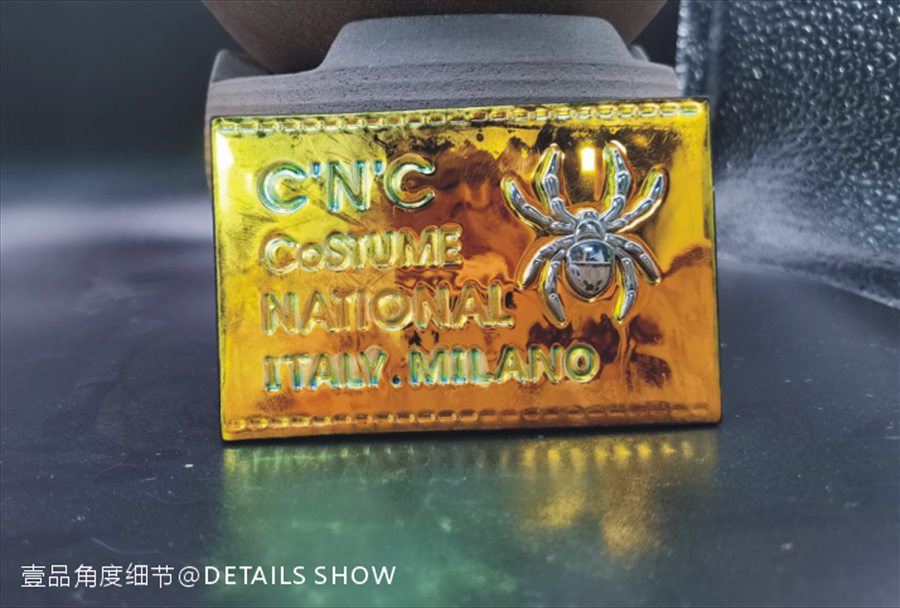
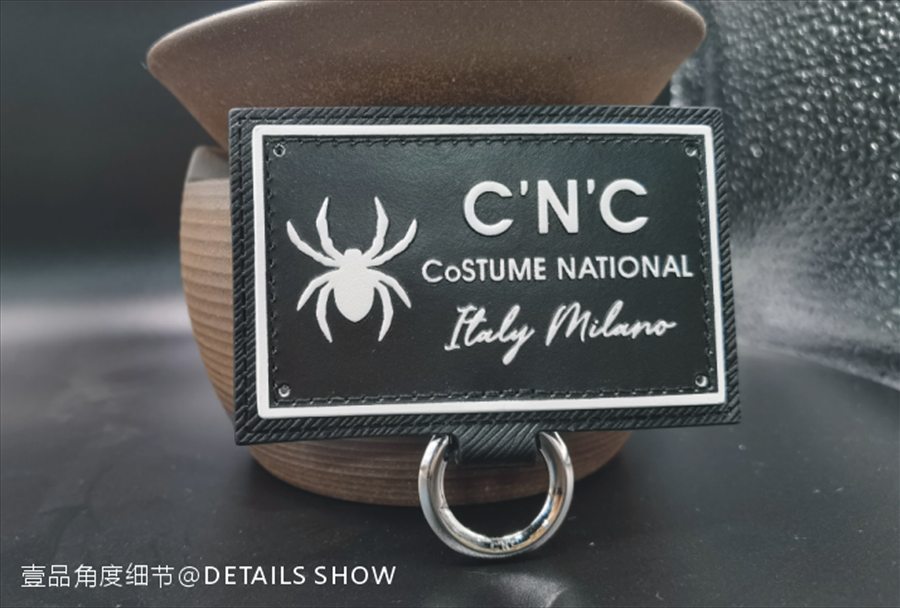
CNC cowhide patch with metal clasp
- Product No.
- R001857-1
- Classification
- Cowhide with metal hardware
A patch can be fixed without a stitch line — provided the adhesive suits the fabric.
An iron-on or adhesive leather patch carries a heat-seal film or a pressure-sensitive adhesive on its reverse, so it can be bonded to fabric with a heat press or an iron instead of being sewn. Heat-seal adhesive needs a specific temperature, pressure and dwell time to activate fully, so it has to match what the fabric can tolerate; pressure-sensitive adhesive suits cases where heat is impossible or temporary positioning is wanted. EP TRIM can specify the right backing for your patch and recommend press parameters.
Heat-seal adhesive bonds strongly and survives a number of washes, but it needs press equipment and a fabric that tolerates heat. Pressure-sensitive adhesive needs no heat and is quick to apply, which suits decorative or rarely washed products — but its bond and wash resistance are clearly lower. Where the product goes through a wash process, heat-seal is the better choice.
The same adhesive behaves very differently across fabrics: smooth polyester bonds readily, while a napped or water-repellent face needs higher temperature and longer dwell — and that higher temperature can scorch the leather. Settings cannot be copied from someone else's line. They have to be established with trial pieces made from your fabric and your patch, then fixed for production.
One: the wrong adhesive — high-temperature film on a low-melt fabric. Two: the press runs cooler than its setting because the machine was never calibrated. Three: dwell time is too short and the adhesive never fully melts. The first two are settled by a trial; the third needs the line to follow a standard. We can issue the recommended settings as a process card that ships with the goods.
There is no single number: it depends on the adhesive grade, the fabric, the wash temperature and whether it is machine spun. Heat-seal adhesive applied at correct settings normally takes several gentle washes; pressure-sensitive adhesive generally does not survive a machine wash. Tell us your wash conditions and we will give you a measured result from trial pieces rather than a verbal promise.
It is possible but rarely needed. A common approach is pressure-sensitive adhesive for positioning followed by stitching: the patch is tacked in place so the stitch line is accurate, and the long-term hold does not depend on the adhesive.
Yes, but only after a trial. A water-repellent finish markedly reduces wetting and adhesion, usually calling for higher temperature, a film formulated for coated fabrics, or local preparation. We will only commit after trial results.
Yes. We supply the backed patches with recommended settings on a process card and your line does the bonding. If pieces lift afterwards we will help trace whether it is the adhesive, the settings or the fabric.
It does not affect the front, it only makes the piece slightly stiffer. If your design needs a soft hand, go thinner on the leather or switch to a sewn patch with no backing.
Agreed per design, lower where a mould exists. Sampling starts once leather, shape and backing are confirmed, after which we send backed trial pieces for you to run on your press. Send artwork, volume and fabric details to begin.
EP TRIM
EP TRIM
Use & washing
Any patch going onto a garment that will be heavily washed must be trial-run first, and bright-coloured patches must not be paired with pale fabric because of colour bleed.
Materials
A natural full-grain face is not uniform the way synthetic leather is. Wrinkles, scars, insect marks and uneven grain are all normal.
Selection
Even within full-grain cowhide, grain evenness, thickness tolerance and temper vary widely. Material selection sets the ceiling on what a finished patch can be.
Send us your layout or a physical sample. We will come back with a proposed process and sampling lead time before we talk volumes.