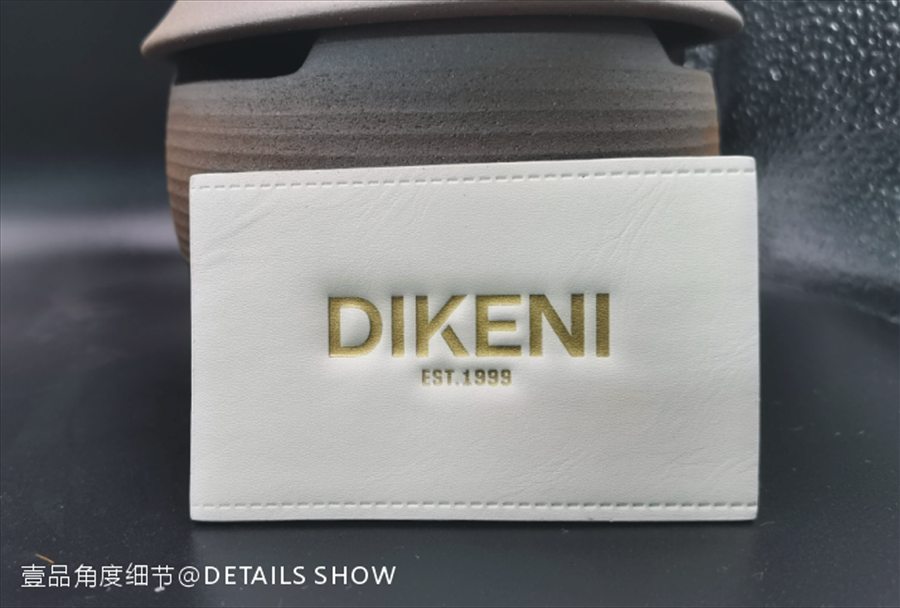
DIKENI
DIKENI white cowhide patch with gold lettering
- Product No.
- R001285-4
- Classification
- White cowhide with gold lettering
The patch on a trucker cap front sets the perceived grade of the whole hat — and it is the step most often got wrong.
A trucker hat patch is a leather badge sewn or heat-sealed onto the front panel of a trucker cap. Trucker caps are usually 5-panel or high-profile with a foam-backed front, so the patch has to be pre-formed to the curve or made from thinner leather to bond without wrinkling. EP TRIM supplies these front patches to cap factories and headwear brands in full-grain cowhide, PU and iridescent stock, with small runs and wholesale volumes both workable.
The front of a trucker cap is usually a foam-formed curve, and cap factories tend to heat-seal rather than sew. A flat patch lifts at the corners or wrinkles; too much heat scorches the face or blisters PU. The answer is to pre-form the patch to the curve, keep it on the thin side, match the adhesive to the cap fabric, and establish the press settings on the actual fabric.
Headwear orders tend to be many designs, small quantities and frequent repeats. So: designs with an existing mould can run at lower quantities; a new design is sampled in a few pieces first so feel and colour are settled before volume; wholesale orders are quoted on a tiered scale. Lead times are booked by design and capacity, and are given with the sampling confirmation.
Trucker caps in streetwear often use black-and-white contrast, iridescent stock or a distressed finish. White and bright leathers show colour difference most, so we check piece by piece; iridescent stock is bonded at low temperature and short dwell to keep the surface from going white; and a distressed effect is fixed at sampling so batches do not vary in depth.
Designs with an existing mould can run at smaller quantities; a new design carries a higher minimum because the tooling is amortised. Headwear usually means several designs at low volume each, and we will propose a combined plan across them. Send artwork, the number of designs and expected quantities.
Both. Heat sealing is the cap-factory norm because it saves an operation and looks clean, but it requires an adhesive matched to the cap fabric and fixed temperature, pressure and dwell time. Sewing holds better and suits thicker leather or a design with visible stitching. We recommend based on your line.
No. We make the patch only; the hat is produced by the headwear factory. We supply the front patch to that factory's or the brand's specification, including the adhesive and recommended settings, and can provide bonded trial pieces.
Yes. Send the existing patch or the mould drawing and we will reproduce shape and size, adjusting if needed to suit your press and the panel curvature.
All three. Contrast comes from piecing or screen printing; iridescent stock is bonded at low temperature and short dwell; a distressed finish is agreed and sealed at sampling. Whites and brights are colour-checked piece by piece so a batch does not vary.
Tiered by leather, size, craft complexity and quantity; a design on an existing mould avoids tooling cost and prices lower. Sampling is scheduled once artwork and leather are confirmed, and production is booked by design and capacity. Send artwork, designs and volumes for exact numbers.
DIKENI
EP TRIM
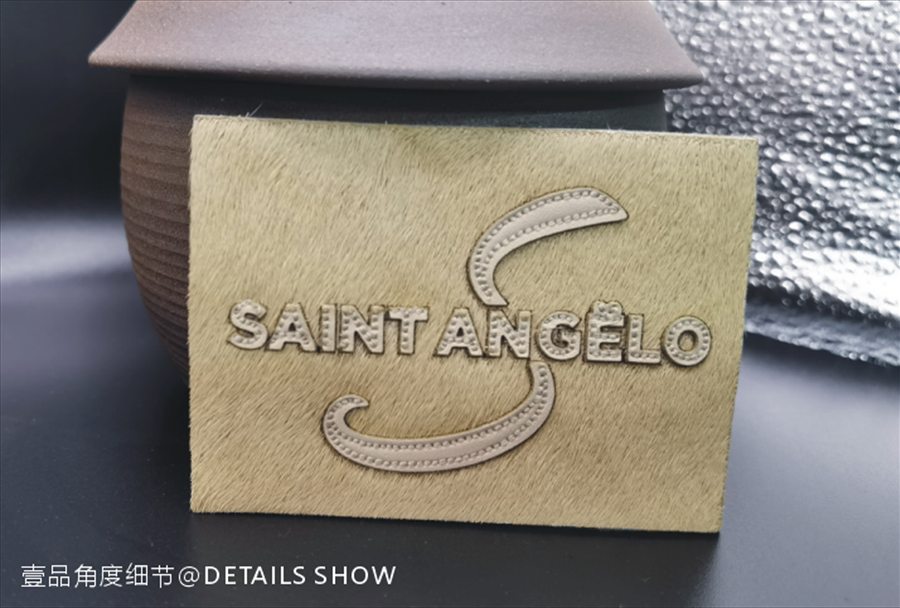
SAINT ANGELO
Selection
Even within full-grain cowhide, grain evenness, thickness tolerance and temper vary widely. Material selection sets the ceiling on what a finished patch can be.
Materials
A natural full-grain face is not uniform the way synthetic leather is. Wrinkles, scars, insect marks and uneven grain are all normal.
Use & washing
Any patch going onto a garment that will be heavily washed must be trial-run first, and bright-coloured patches must not be paired with pale fabric because of colour bleed.
Send us your layout or a physical sample. We will come back with a proposed process and sampling lead time before we talk volumes.